Lights, Camera, Remorse: Inside the Apology Stream Assembly Line

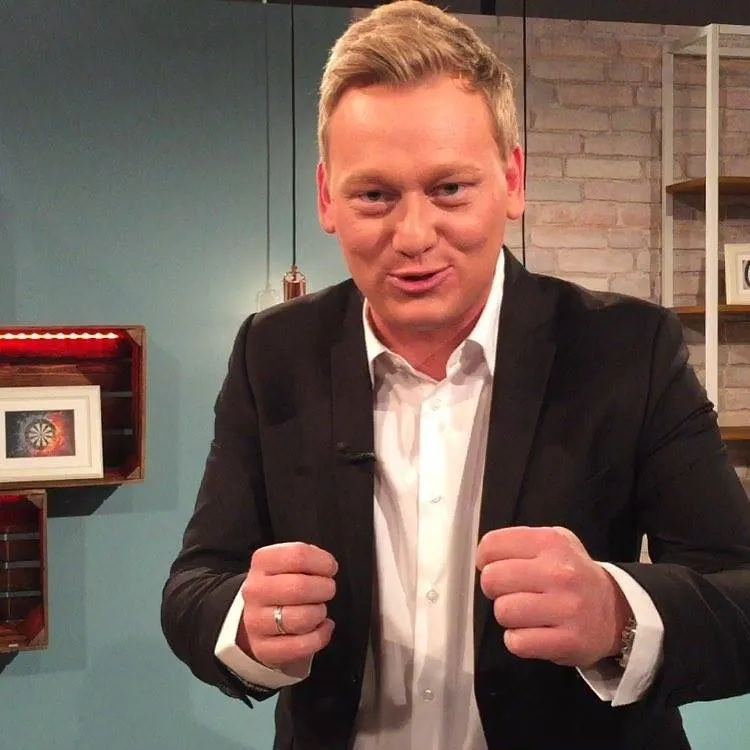
Photo: Wandering Mask, CC BY 4.0, via Wikimedia Commons
Somewhere in America right now, a streamer is sitting on the edge of a bed that cost more than a used Honda, wearing a black t-shirt they definitely did not pick at random, and taking a long, measured breath before saying the words: "I need to address something."
You already know exactly what happens next. The lighting is softer than usual. The background is tastefully blurred. The tone drops about thirty percent from their normal energy. There will be a pause. There will be a phrase like "I've taken the last week to reflect." There will be — and this is the load-bearing part of the whole structure — a mention of "doing better going forward."
Welcome to the apology stream, the most reliably produced genre in live entertainment.
The Formula Is Not a Coincidence
Talk to anyone who's worked in creator PR or community management and you'll hear the same thing: these videos are written, reviewed, and rehearsed like product launches. One community manager who's worked with mid-tier streamers described the process bluntly: "We draft it, we cut every sentence that could be clipped out of context, we read it aloud twice. The sigh isn't spontaneous. The pause isn't spontaneous. Nothing in that video is spontaneous."
The visual grammar has hardened into convention. Black clothing signals seriousness — it's the streaming equivalent of a funeral suit. Sitting on the floor or the edge of a bed, rather than the gaming chair, says "this is me, not the persona." Eye contact with the lens, but not too much. Hands visible, because hidden hands read as nervous. Even the decision to go live rather than post a statement is strategic: a live apology can't be edited, which supposedly makes it feel more honest. Ironically, that's also why it gets rehearsed harder than anything else the creator does all year.
Remorse or Risk Management?
Here's the uncomfortable question the whole genre raises: does it matter if the apology is produced, as long as the accountability is real?
PR professionals are split. One veteran crisis-communications consultant put it this way: "A rehearsed apology that takes responsibility is better than a sincere ramble that blames everybody. Sincerity is a luxury. Outcome is the product." The counterargument, from the community side, is that audiences can smell the teleprompter. Chat during these streams has become its own spectator sport — timestamped receipts, side-by-side comparisons to previous apologies, and the dreaded "we've been here before" spam.
And that's where the genre starts eating itself. Once a creator apologizes more than once, the format itself becomes evidence. The same lighting, the same shirt, the same cadence — viewers aren't hearing remorse anymore, they're recognizing a template. The apology stream was designed to feel unfiltered, and its greatest success is that it now feels like nothing at all.
The Audience Got Media Literate
The US streaming audience in particular has been trained by a decade of YouTube apology lore to read these videos like film critics. They clock the cut before the emotional beat. They notice when the sponsor segments mysteriously resume three days later. They know that "taking accountability" has quietly become a phrase that means "acknowledging the thing without committing to anything."
What's interesting is that the apologies that actually land tend to break the format. The ones people remember are messy — unscripted, badly lit, occasionally a disaster. Rawness is the one thing the assembly line can't manufacture, because the moment you standardize it, it stops being raw. That's the trap: the more professional the contrition, the less it's worth.
So the next time a streamer dims the lights and inhales on cue, watch the chat instead of the creator. The audience isn't deciding whether to forgive. They're deciding whether they just watched a person — or a press release wearing a black t-shirt.