Your Aim Sucks, and Someone's Getting Rich Off It: Inside the Coaching Gold Rush
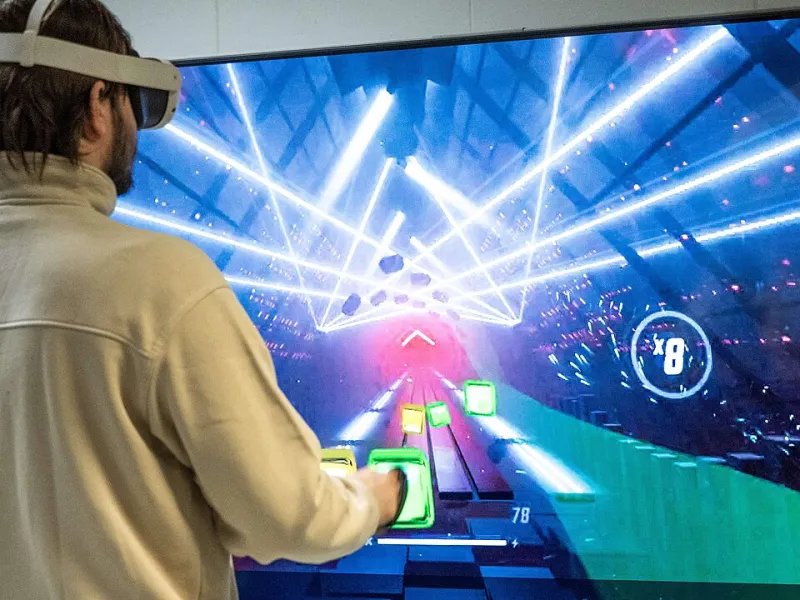
Photo: InclusiveGameLab, CC BY-SA 4.0, via Wikimedia Commons
There's a moment in every streamer's life when the comments stop being funny. You know the one. The hundredth "bro just aim at their head" lands different when you're three hours deep into ranked and your WR/38 has quietly dropped to a number you don't say out loud.
For a growing slice of the streaming world, that's the moment they open their wallet.
The Invoice for Getting Better
Coaching isn't new. Chess has had it forever, golf built an entire industry on it, and your cousin's Little League coach was technically doing it for free. But competitive gaming has industrialized the whole thing in a way that would make a Country Club pro blush.
Here's the rough price list, pulled from coaching marketplaces and Discord servers across the scene:
- A one-hour 1-on-1 session in a top-tier competitive shooter: $25 to $60, depending on the coach's rank and clout.
- A VOD review — you send footage, they mark it up like a football coach with a projector: $20 to $50 for a standard match.
- A "coaching package" — five sessions, personalized drills, a Discord channel where they answer your dumb questions: $150 to $400, easy.
- Semi-pro team tryout prep, the premium tier: if you have to ask, you can't afford it.
Multiply that by a coach running six or eight sessions a day and you're looking at a real income. Not hustle-culture fantasy income — actual, taxable, W-9 income for telling people they're over-peeking.
Who's Actually Buying This?
You'd assume it's teenagers with their parents' credit card. Sometimes! But the customer base is broader and weirder than that.
There's the 34-year-old dad from Ohio who streams to 12 viewers on weekends and wants to stop embarrassing himself in front of the one regular who chats. There's the small-time content creator who realized their clips perform better when they're actually good at the game. And there's the genuinely terrifying segment: people training for open qualifiers who treat a coaching session like a job interview.
The through-line? Most buyers aren't trying to go pro. They're trying to make the stream watchable. That's the shift. Skill stopped being a private goal and became a production value.
Does Any of It Actually Work?
Honest answer: sometimes, and usually not the way people hope.
The aim trainers — the standalone apps with their daily routines and leaderboards — are basically the gaming equivalent of a treadmill. They'll improve your mechanics. They will not teach you when to push, when to rotate, or why you keep dying to the same flank. That's what a good coach is for, and the good ones will tell you flat out that half their job is fixing decision-making, not flicks.
The scam tier exists too, obviously. Anyone selling "guaranteed rank up in 7 days" is running the same playbook as a crypto Discord. The tell is always the same: real coaches show before-and-after VODs, fake ones show screenshots of their own rank.
The Economy Nobody Planned
Nobody at a studio greenlit this industry. It grew out of matchmaking lobbies and reply-guy energy, the same way every good internet economy does. A whole generation of retired-competitive players — people who aged out of the grind but still have the game sense — found out their knowledge is a product.
And honestly? Watching someone pay $40 to get told "you're holding the wrong angle" by a stranger with 4,000 hours in the game is the most honest transaction on the internet. No parasocial fog, no sponsor read. Just money for getting less terrible.
The skill issue isn't going anywhere. But now, at least, it has a business model.