Remote Control, Meet Retirement: How Live Streaming Left Prime Time in the Dust

Let's have the honest conversation the networks have been avoiding.
For decades, prime time was the center of American cultural life. Families gathered around the tube at 8 PM sharp. Water-cooler talk the next morning revolved around last night's episode. Advertisers paid fortunes for those thirty-second slots because that's where the eyeballs were.
That era is over. And if you're reading this on KRA72 Live, you're probably not surprised.
The Numbers Don't Negotiate
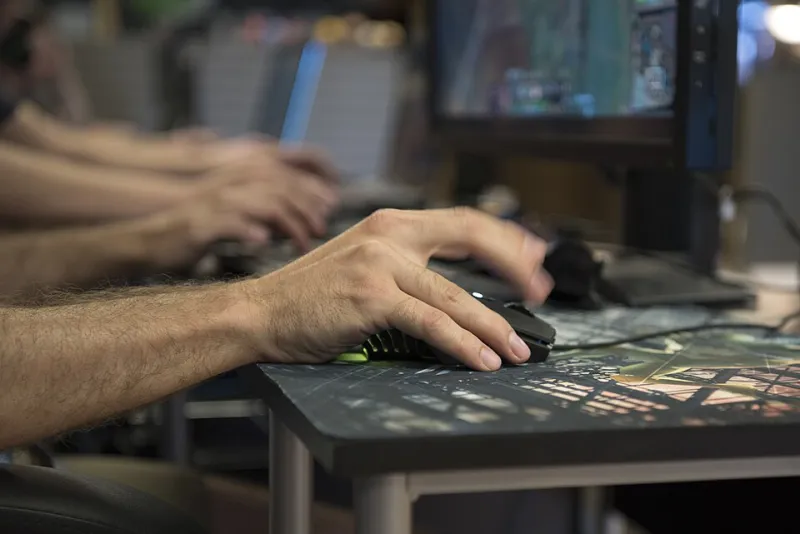
Look at the data rolling out of 2025 and the trend is impossible to spin. Nielsen's ongoing reports show that Americans aged 18 to 34 now spend more daily viewing time on creator-driven and live content than on any traditional broadcast or cable programming combined. Streaming as a whole eclipsed cable years ago, but the newest shift is more specific: it's live streaming — gaming broadcasts, IRL content, interactive events, community hangouts — pulling ahead of scheduled television.
Advertisers have noticed. Ad spend on live creator platforms has been climbing at double-digit rates while network upfront commitments shrink year over year. Brands that once reserved budgets for network season premieres are now sponsoring individual streamers, live tournaments, and community events. Money follows attention. Always has.
And here's the kicker: the biggest live events on streaming platforms now routinely outdraw cable broadcasts in the demo. When a major esports final or a record-breaking variety stream can pull seven figures of concurrent viewers, the argument about which medium is "real television" is settled.
Why Scheduled TV Lost the 18-34 Crowd
It's tempting to blame short attention spans, but that's lazy analysis. The real reasons are structural:
The schedule died. Prime time assumed audiences would organize their lives around a broadcast clock. Nobody under 35 does that anymore. Live streaming runs 24/7, across every time zone, so there's always something happening — and always a community gathered around it. When the show fits your life instead of the reverse, you know which one wins.
Interactivity beats passivity. TV talks at you. A stream talks with you. Chat, polls, raids, donation goals, viewer-driven decisions — the audience isn't just watching the content, they're part of it. That's not a gimmick; that's the fundamental difference between broadcasting and belonging.
Personalities over properties. TV sells franchises. Streaming sells people. Viewers form genuine parasocial — and sometimes fully social — bonds with creators they've watched for years. You don't get a loyalty that strong from a network logo.
Authenticity wins. A live stream can go off the rails at any second, and the audience wants that. The unedited, unpolished, occasionally chaotic nature of live content is the feature, not the bug. Scripted perfection reads as fake to a generation raised on real-time everything.
The KRA72 Thesis: Always Live, Never Boring
Here's the thing — this shift isn't just a business trend we report on. It's the entire reason KRA72 Live exists.
We built this hub around a simple belief: entertainment is better when it's happening now, with people who are there for the same reason you are. Round-the-clock streams, community events, gaming sessions, and live conversations don't need a timeslot because the channel is the timeslot. There's no "check your local listings." There's just showing up.
Traditional TV is a vending machine: pick your pre-packaged product, consume, repeat. Live streaming is a block party that never ends — sometimes messy, always real, and you never know when something unforgettable is about to happen. Our money's on the block party.
And the networks know it. Every major media company is now scrambling to launch live creator initiatives, buy streaming platforms, or sign exclusive deals with individual streamers whose individual contracts rival late-night hosts'. The incumbents aren't ignoring the trend anymore. They're chasing it.
The Verdict
Is traditional TV dead? Not yet — older demographics still tune in, and prestige dramas aren't vanishing overnight. But for anyone under 35 in the US, the default screen has changed, and it's not changing back. Prime time didn't lose to a better schedule. It lost to something that isn't a schedule at all: a living, breathing, always-on community.
Your turn: What's the one thing you'd rather watch live than on TV? A speedrun marathon over sitcom reruns? A late-night chat stream over late-night talk shows? Drop your take in the comments and share this piece with the friend who's still paying for cable. Let's settle it live — because here at KRA72, that's the only way we know how.